
Whole-House Surge Protection
Whole-House Surge Protection in Tuscaloosa, AL
Lightning, utility switching and even your own air conditioner create voltage spikes that wear out electronics and appliances. Next Electrician Tuscaloosa installs whole-house surge protectors at the electrical panel for homes and businesses across Tuscaloosa and Northport, as the first layer of a sensible storm-prep plan.
- Residential & commercial
- 24/7 emergency calls
- Tuscaloosa, Northport & nearby
Where surges come from
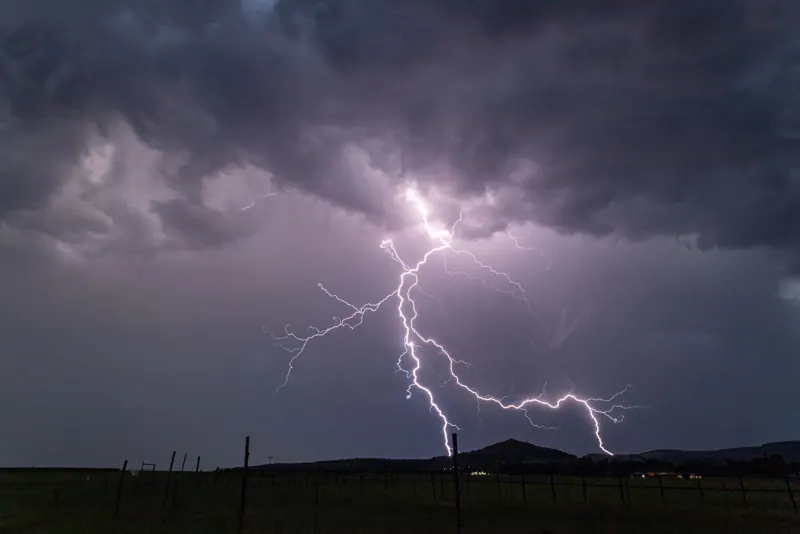
- Storms: nearby lightning strikes induce large surges on power and communication lines. Severe thunderstorms are common in West Alabama, so this matters here.
- The utility: switching, faults and outages followed by power restoration can send spikes down the line.
- Inside your home: motors and compressors in ACs, refrigerators and pumps cause frequent small surges every time they cycle. These do slow damage to electronics over time.
Modern homes are full of electronics that are sensitive to this: HVAC control boards, appliance circuit boards, TVs, computers, routers, garage door openers, smart thermostats and EV chargers.
How a whole-house surge protector works
A whole-house surge protective device (SPD) mounts at or in your electrical panel. When voltage spikes, it diverts the excess energy to ground in a fraction of a second, before it can travel through your branch circuits. There are two common types:
- Type 1 installs on the line side of the main breaker or at the meter
- Type 2 installs on the load side, at the panel. This is the most common type for homes
Many units include indicator lights that show they're still protecting, because SPDs can wear out after absorbing large surges.
Layered protection works best
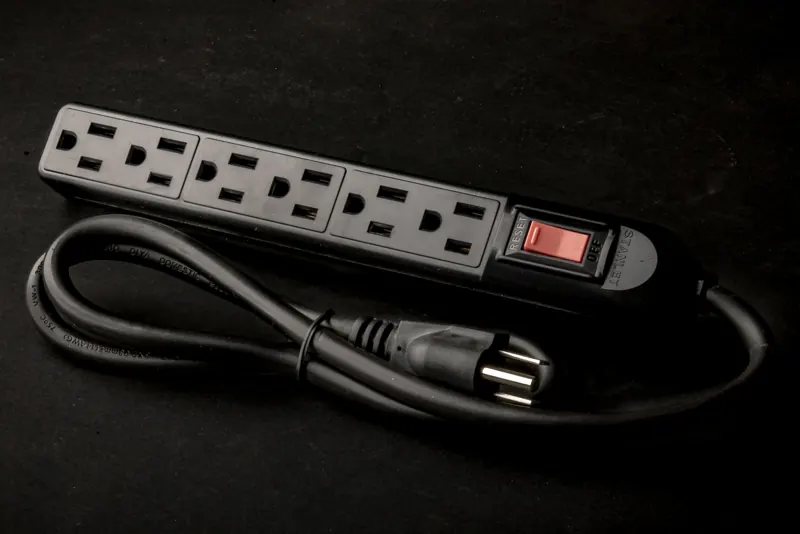
A whole-house device handles large incoming surges. Point-of-use surge strips at TVs, computers and home office gear add a second layer for sensitive electronics. Surges can also arrive on cable, phone and coax lines, so those should be protected or bonded too. A good grounding and bonding system is what makes all of it work. We check it as part of the install.
What surge protection can and can't do
An honest answer: no surge protector can stop a direct lightning strike to your house. That energy is simply too large. What whole-house protection does well is handle the far more common surges from nearby strikes, utility switching and everyday appliance cycling, which are the ones that quietly shorten the life of your equipment. Think of it as insurance for the appliances and electronics you already own.
Code requirement for new and replaced services
Under the 2020 National Electrical Code, section 230.67 requires a surge-protective device whenever a home's service is installed or replaced. Northport enforces the 2020 NEC, according to its Inspections division. If you're planning a panel upgrade, surge protection may already be part of it. For existing homes, it can be added on its own at any time.
How installation works
- We check the panel for space, condition and grounding and bonding.
- We choose the right SPD for your panel and service.
- The device is installed at the panel on a dedicated breaker or the manufacturer's specified connection, with short, direct leads, which matter for performance.
- We confirm the indicator status and explain what to look for in the future.
Most installs take an hour or two, with a short power outage.
Pair it with storm-ready backup power
Storms bring both surges and outages. If you're adding a standby generator or interlock, install surge protection at the same time, since generator start-up and power restoration are exactly when spikes happen. If a storm has already damaged equipment at your service, call our 24/7 emergency line.
What affects surge protector cost
- Device type and rating: Type 1 or Type 2, and its surge current rating
- Panel space, and the panel's condition
- Grounding or bonding corrections needed
- Extra protection for cable, phone and data lines
Project Gallery
Electrical work examples: photos of the kind of surge protection and panel work this page covers. They are illustrative and are not presented as specific local jobs, customers or locations.
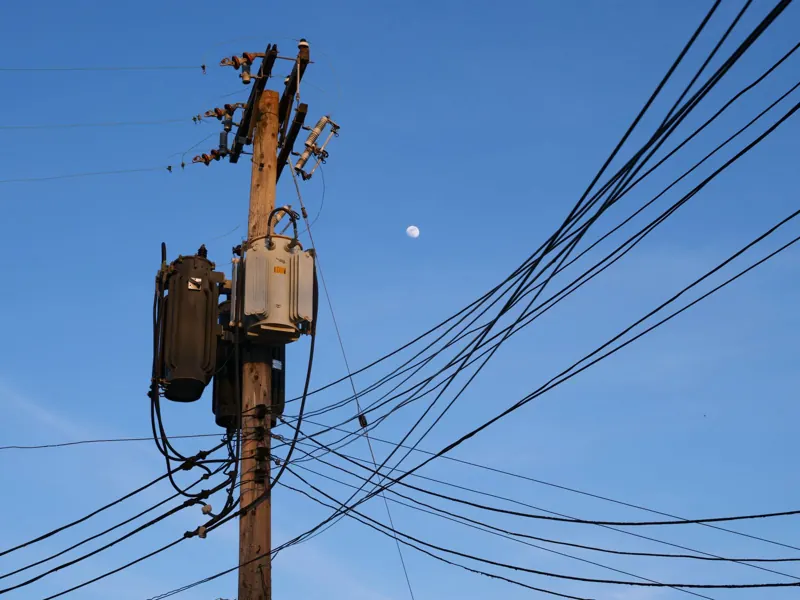
Surges can arrive from the utility side of the service. 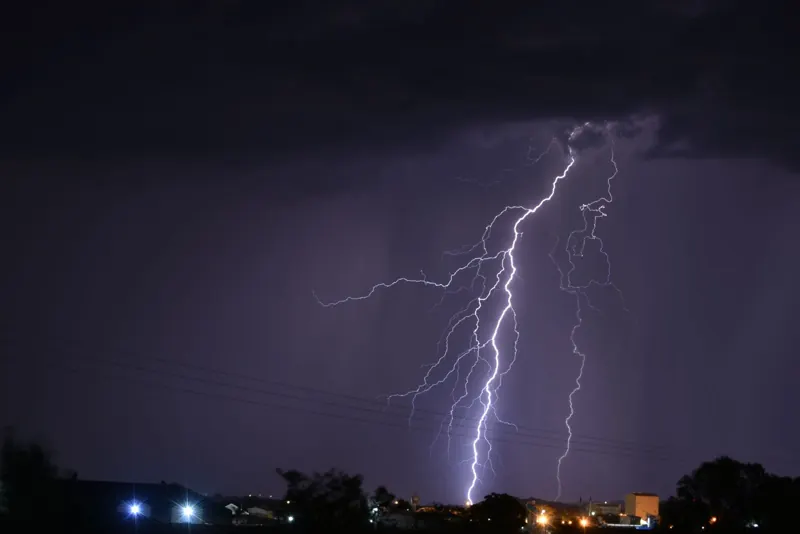
Storm surges can travel through power and data lines. 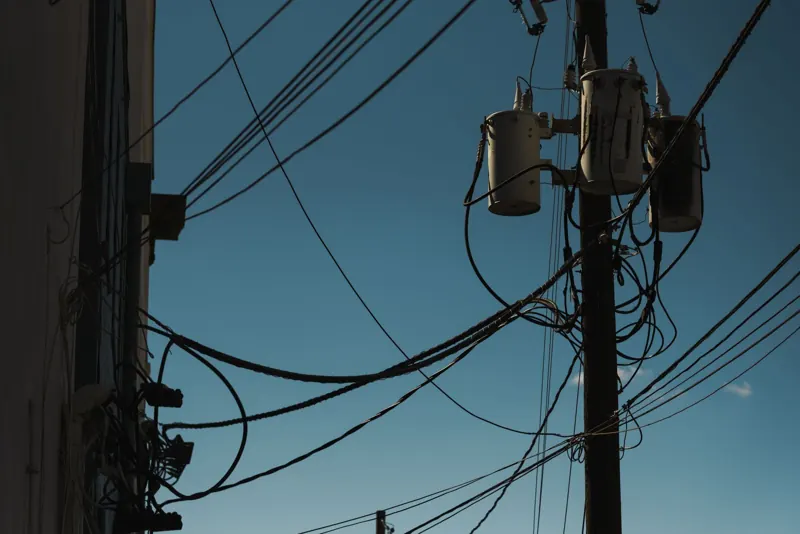
Utility switching and faults also cause surges.
Frequently asked questions
Is a whole-house surge protector worth it in Tuscaloosa?
For most homes, yes. The area sees frequent severe thunderstorms, and modern HVAC systems and appliances rely on sensitive electronics. A single surge-damaged control board can be expensive to replace.
Will it protect against lightning?
It helps a lot against nearby strikes and utility surges. Nothing can fully protect against a direct strike to the house.
Do I still need surge strips?
Yes, for sensitive electronics. Whole-house and point-of-use devices work together.
How long does a surge protector last?
It depends on how many surges it absorbs. Check the indicator lights periodically and after major storms, and replace the device if it shows it's no longer protecting.
Protect your home's electronics. Call about surge protection.
Call and talk it through. Emergency calls are answered 24/7.
Call +123456789