
EV Charger Installation · Level 2
EV Charger Installation in Tuscaloosa, AL
Charging at home is the easiest way to own an electric vehicle, as long as the circuit behind it is done right. Next Electrician Tuscaloosa installs Level 2 EV chargers and NEMA 14-50 outlets in homes and businesses across Tuscaloosa and Northport, starting with a check that your panel can handle the load.
- Residential & commercial
- 24/7 emergency calls
- Tuscaloosa, Northport & nearby
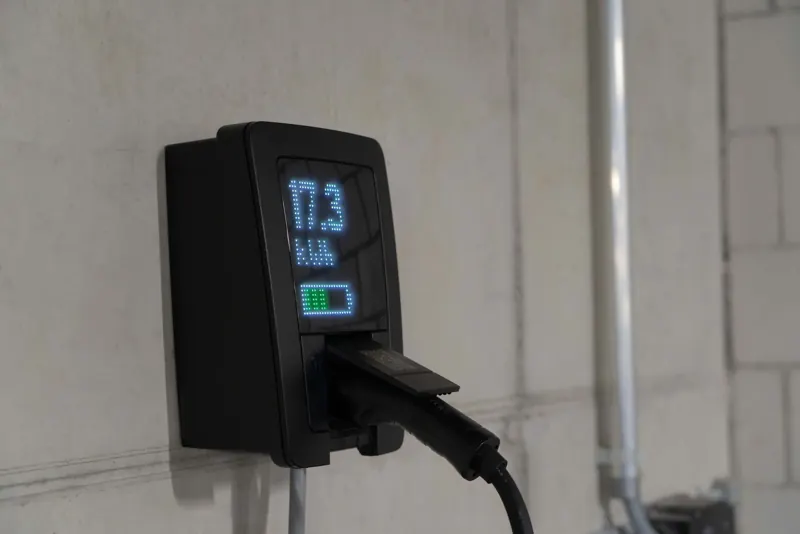
Level 1 vs. Level 2 charging
Level 1 uses a standard 120-volt outlet and the cord that comes with most EVs. It adds only a few miles of range per hour, which can be enough if you drive a little each day and charge overnight. Level 2 uses a 240-volt circuit, like a dryer or range, and charges many times faster. Most drivers can fully recharge overnight. Nearly every home EV install we're asked about is Level 2.
Hardwired charger or NEMA 14-50 outlet?
There are two common ways to set up Level 2 at home:
- Hardwired wall charger. The charger, such as a Tesla Wall Connector or a similar unit, is wired directly to its own circuit. That allows higher charging rates, avoids a plug-in connection that can wear or overheat, and is usually our recommendation.
- NEMA 14-50 outlet. A 240-volt receptacle lets you plug in a portable charger. It's flexible if you might change chargers or vehicles, but the outlet takes heavy, long-duration loads, so it needs a quality receptacle and good connections. Under the 2020 National Electrical Code, garage and outdoor receptacles like this generally need GFCI protection, and some vehicles and chargers don't play well with it. That's another reason hardwiring is often simpler.
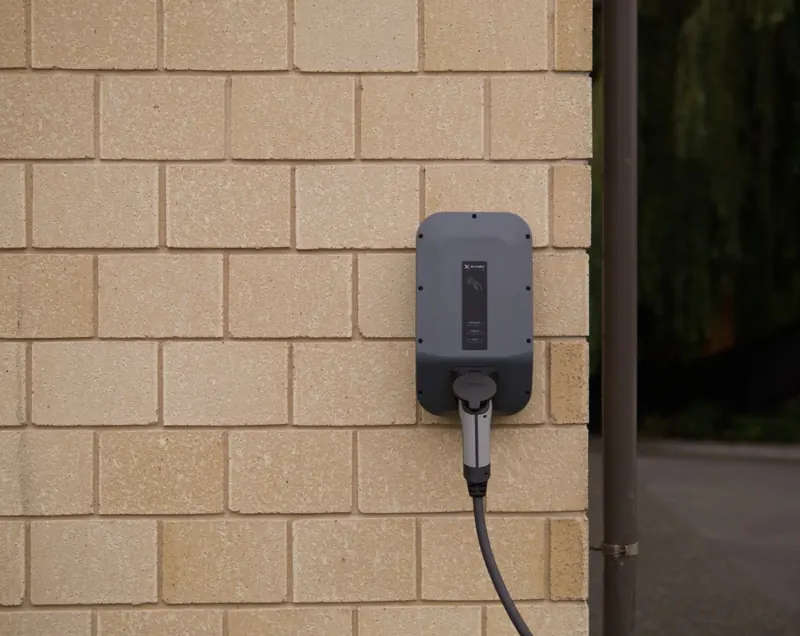
Can your panel handle an EV charger?
An EV charger is one of the largest continuous loads a home can have. The circuit is sized at 125% of the charger's continuous current, so a charger delivering 40 amps needs a 50-amp circuit. Before installing, we do a load calculation to see whether your service has room. If it's tight, there are options:
- Set the charger to a lower current. Many chargers are adjustable, and slower charging is often plenty overnight
- Add a load-management device that pauses charging when other big loads are running
- Upgrade the panel or service. See panel upgrades
Choosing the charger location
We'll look at where you park, which side the car's charge port is on, how far it is from the panel, and whether the charger will be inside a garage or outside. Outdoor units need the right enclosure rating, and the cable should reach without stretching across a walkway. A shorter run from the panel also keeps installation costs down.
Permits for a new 240-volt circuit
An EV charger almost always needs a new dedicated circuit, and the City of Tuscaloosa lists alterations that involve running new circuits as work requiring a permit. If a service upgrade is also needed, that's permit work too. Northport and county addresses follow their own permit processes, and we confirm which applies before starting.
How EV charger installation works
- Tell us about the car and charger. Model, charger brand if you've bought one, and where you park.
- Panel and load check. We confirm capacity and pick the circuit size.
- Route planning. Through the garage, attic, crawlspace or outdoors in conduit.
- Permit, then installation of the circuit, breaker and charger or outlet.
- Testing. We confirm the charger communicates with the vehicle, set the current limit and walk you through it.
- Inspection where required.
What affects EV charger installation cost
- Distance and route from the panel to the charger
- Charger amperage and the wire size it requires
- Hardwired unit or NEMA 14-50 outlet, including GFCI requirements
- Panel capacity: whether a load-management device or panel upgrade is needed
- Indoor or outdoor installation, conduit and trenching
- Permit and inspection
Chargers for businesses and rental properties
Offices, apartment complexes and shops are adding chargers for staff, tenants and customers. These projects bring commercial load planning and sometimes multiple chargers with shared power management. See our commercial electrician page. Landlords of single-family rentals in Tuscaloosa can add a dedicated EV circuit between tenants, which can be a selling point for rental listings.
Project Gallery
Electrical work examples: photos of the kind of EV charging and garage electrical work this page covers. They are illustrative and are not presented as specific local jobs, customers or locations.
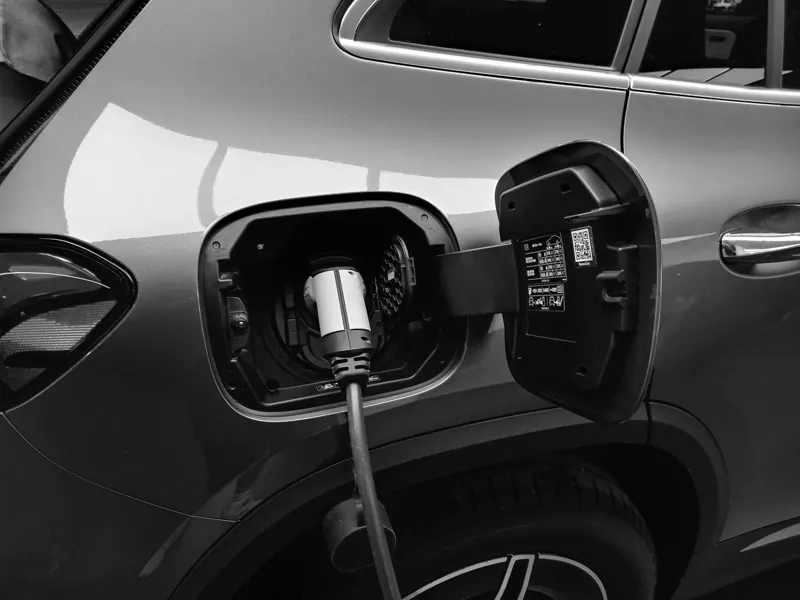
The vehicle end of a home charging session. 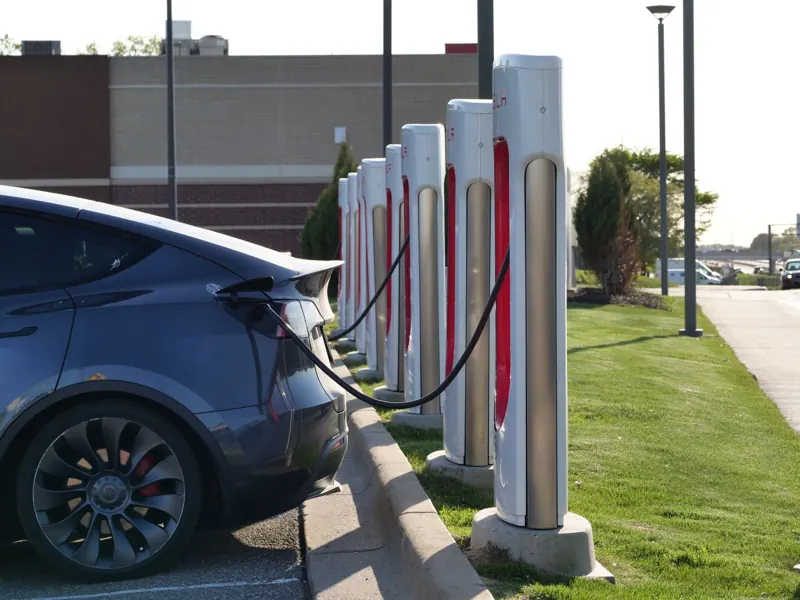
Commercial EV charging in a parking lot. 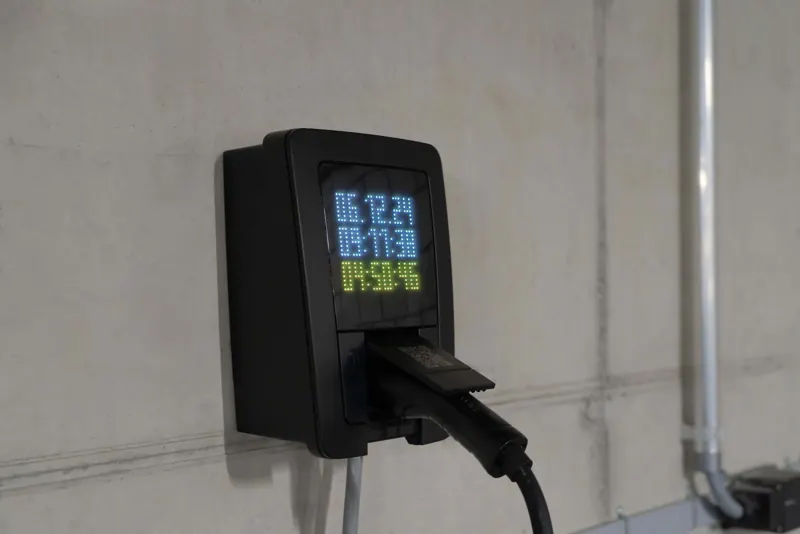
A Level 2 EV charger mounted on a wall with its cable plugged in.
Frequently asked questions
How long does it take to install a home EV charger?
A straightforward install near the panel can often be done in a few hours. Long routes, outdoor runs or panel upgrades add time, and permit scheduling affects the overall timeline.
Do I need a permit for an EV charger in Tuscaloosa?
In most cases, yes. It requires a new circuit, which the City of Tuscaloosa lists as permit work.
Should I get a hardwired charger or a 14-50 outlet?
Hardwired chargers are usually the better long-term choice because they allow higher power and have no plug connection to wear out. An outlet makes sense if you want to keep the flexibility of a portable charger.
Will I need a panel upgrade for an EV charger?
Not always. A load calculation tells us. Lowering the charging current or adding load management often avoids an upgrade.
Can you install the charger I bought online?
Usually, yes, as long as it's a listed product. We'll confirm the circuit it needs before installation.
Getting an EV? Call about your home charger.
Call and talk it through. Emergency calls are answered 24/7.
Call +123456789